7/7/2020, 10:40 am
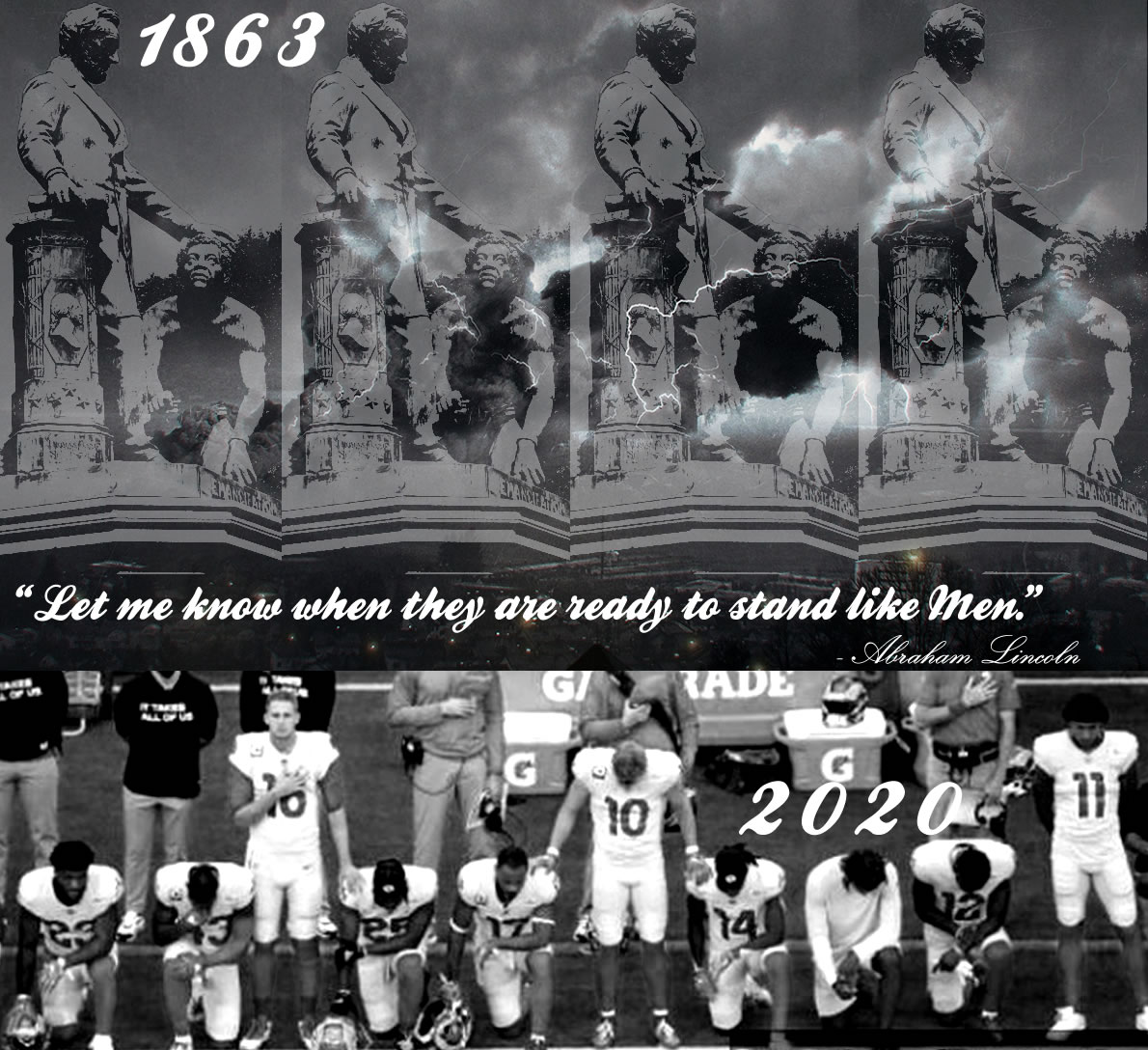
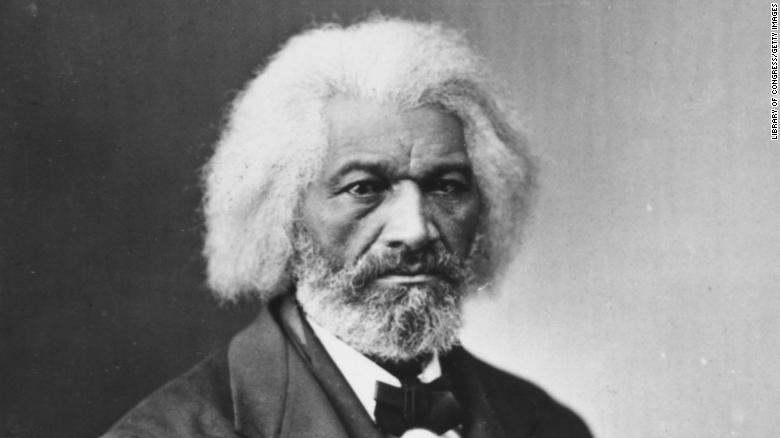
In Rochester, New York, over the weekend, vandals removed a statue of the famous abolitionist Frederick Douglass from its base.
The people who are committing these crimes don't know the slightest thing about American history.
The statue, which stood in Maplewood Park, was vandalized on the 168th anniversary of Douglass' famous Independence Day speech, in which he called for the abolition of slavery. The culprits responsible for tearing down the statue are, as yet, unknown, as are their motives. But the incident has propelled Frederick Douglass into the national spotlight and brought renewed attention to what was, at his time, a quite controversial message.
On July 5, 1852, Frederick Douglass delivered his immortal address, “What, to the Slave, is the Fourth of July?” to the Rochester Ladies' Anti-Slavery Society. The occasion was a celebration of Independence Day, but Douglass also used his platform to give one of the most compelling orations against slavery ever witnessed. In this, one of the most memorable political speeches in U.S. history, Douglass captured the heart of the American ideal of freedom with eloquence and potency scarcely paralleled in the Gettysburg Address. Douglass combined an indelible respect for the nation's founding fathers with an unyielding passion for justice in a manner that could be instructive for many today.
Frederick Douglass was born into slavery in Maryland in 1818. Throughout his childhood and teenage years, he served several masters, one of whom beat him regularly. When he was 20 years old, he escaped to the free north by train and began a new life, which he dedicated to the abolitionist cause. If anyone ever had a right to feel bitter about his country, it was Frederick Douglass. But he did not let the evils he suffered blind him to all the good that the American system had made possible. He was certainly angry, and rightfully so, but never resentful.
The people who are committing these crimes don't know the slightest thing about American history.
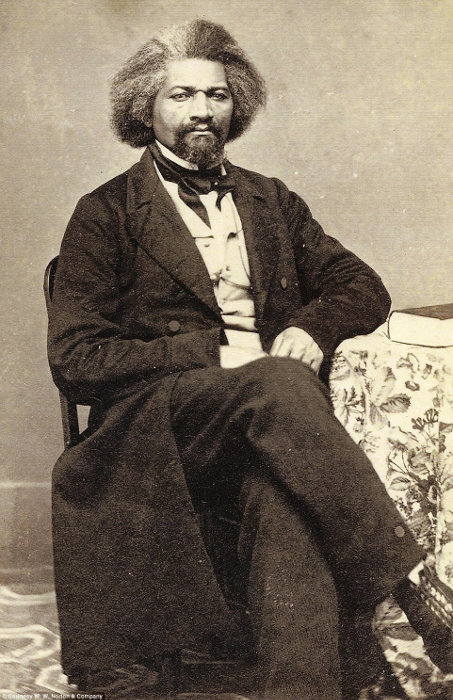
The statue, which stood in Maplewood Park, was vandalized on the 168th anniversary of Douglass' famous Independence Day speech, in which he called for the abolition of slavery. The culprits responsible for tearing down the statue are, as yet, unknown, as are their motives. But the incident has propelled Frederick Douglass into the national spotlight and brought renewed attention to what was, at his time, a quite controversial message.
On July 5, 1852, Frederick Douglass delivered his immortal address, “What, to the Slave, is the Fourth of July?” to the Rochester Ladies' Anti-Slavery Society. The occasion was a celebration of Independence Day, but Douglass also used his platform to give one of the most compelling orations against slavery ever witnessed. In this, one of the most memorable political speeches in U.S. history, Douglass captured the heart of the American ideal of freedom with eloquence and potency scarcely paralleled in the Gettysburg Address. Douglass combined an indelible respect for the nation's founding fathers with an unyielding passion for justice in a manner that could be instructive for many today.
Frederick Douglass was born into slavery in Maryland in 1818. Throughout his childhood and teenage years, he served several masters, one of whom beat him regularly. When he was 20 years old, he escaped to the free north by train and began a new life, which he dedicated to the abolitionist cause. If anyone ever had a right to feel bitter about his country, it was Frederick Douglass. But he did not let the evils he suffered blind him to all the good that the American system had made possible. He was certainly angry, and rightfully so, but never resentful.
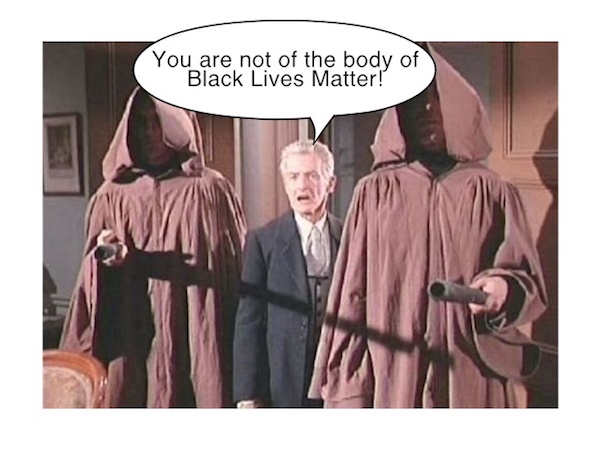
 Just asking, for a friend...